
A NEW PAPER ON SHUNT REACTOR PROTECTION
Shunt reactors are a key component of power systems, providing critical voltage regulation in bus-, line-, and transformer-connected applications. Reactor faults, particularly when undetected and uncleared, can cause major damage to the grid. RTDS Technologies is proud to have been involved with a recent paper, A Fresh Look at Practical Shunt Reactor Protection, which presents and demonstrates a new approach to turn-to-turn reactor fault protection. The paper was presented at the 49th Annual Western Protective Relay Conference in October 2022, in with co-authors from Schweitzer Engineering Laboratories, Avista Utilities, and Trench Limited.
NOVEL PROTECTION APPROACH
The paper presents a new protection scheme and accompanying settings guidelines for turn reactor fault protection, based on directional sequence overcurrent elements. The authors consider the unique properties and behavior of air core reactors in determining how they should be protected – in particular, their lowered protection sensitivity, caused by lower magnetic flux coupling between faulted and healthy turns.
MODELLING AND TESTING
The resulting innovative protection approach, which provides optimal protection for phase-to-phase, phase-to-ground, and turn faults for different reactor applications, is demonstrated to clear turn faults within a few cycles with sensitivities in the 0.1-0.2% range. The paper also provides instrument transformer selection criteria, settings guidelines to ensure protection security during reactor energization, and a novel scheme for ensuring security during line de-energization. Security and dependability of the presented protection schemes was demonstrated by real-time simulations involving a new faulted shunt reactor model for the RTDS Simulator.
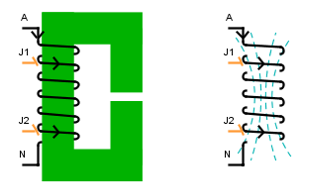
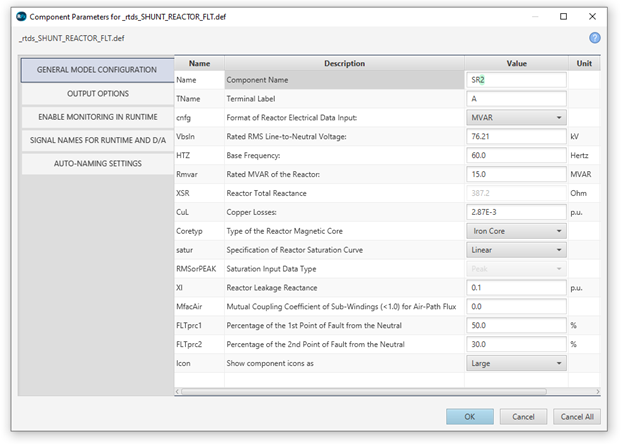
Available in RSCAD 5.003 or higher, the single-phase faulted shunt reactor model can short 1% to 98% of reactor turns. Users can place up to two fault points and can model phase, ground, and turn faults. Both air- and iron-core reactors can be modelled, and reactor core types determine the inductance matrix for the set of mutually coupled inductors. Real field events reflecting reactor turn faults from a utility were also used for demonstration.
CONCLUSION
The RTDS Simulator’s RSCAD software, and its highly detailed and trusted power system models, is a comprehensive and efficient way to demonstrate the effectiveness of novel protection schemes like this one. The new techniques have been applied successfully in the field at a utility with extra high-voltage air-core reactor banks.
DOWNLOAD PAPER

THANK YOU!
Thank you to all of our new and existing RTDS Technologies users for making 2022 a successful year. After almost three years of travel restrictions, we’re happy to return to in person events and conferences. It’s great to connect with colleagues face-to-face again. We value every opportunity to discuss the technological, economic, and legislative challenges that face the global power industry.
This year, we’ve seen many different innovative power system projects involving the RTDS Simulator. We’re excited to play such an pivotal role in the evolution and modernization of the grid. We look forward to seeing the RTDS Simulator being applied in new and innovative ways, from power plant controller model validation to cyber-physical testbeds!
Read more below
NEW USER SPOTLIGHT 2022
In 2022, RTDS Technologies welcomed 48 new institutions to the global RTDS Simulator user community! Here are four institutions we’d like to spotlight.
2022—A LOOK BACK
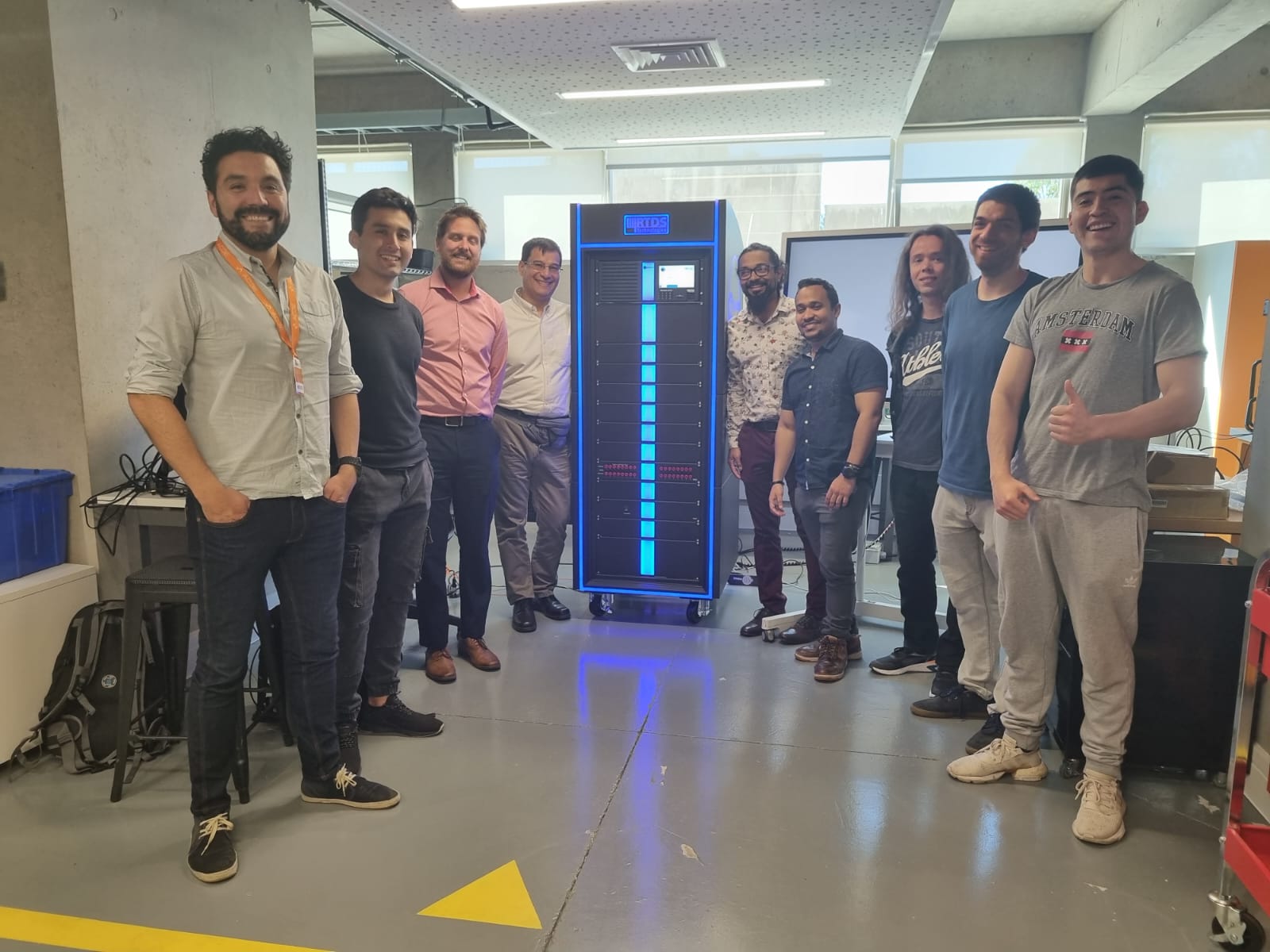
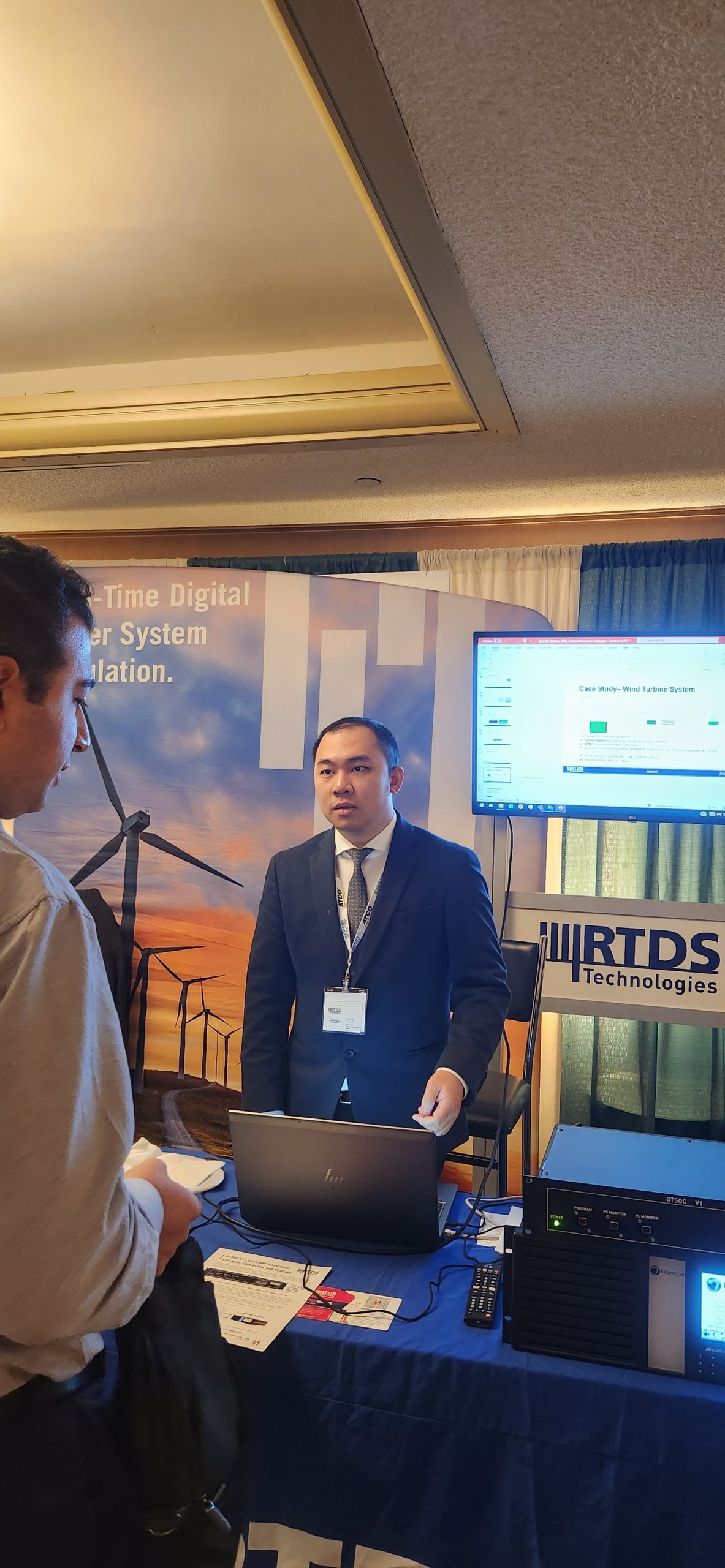
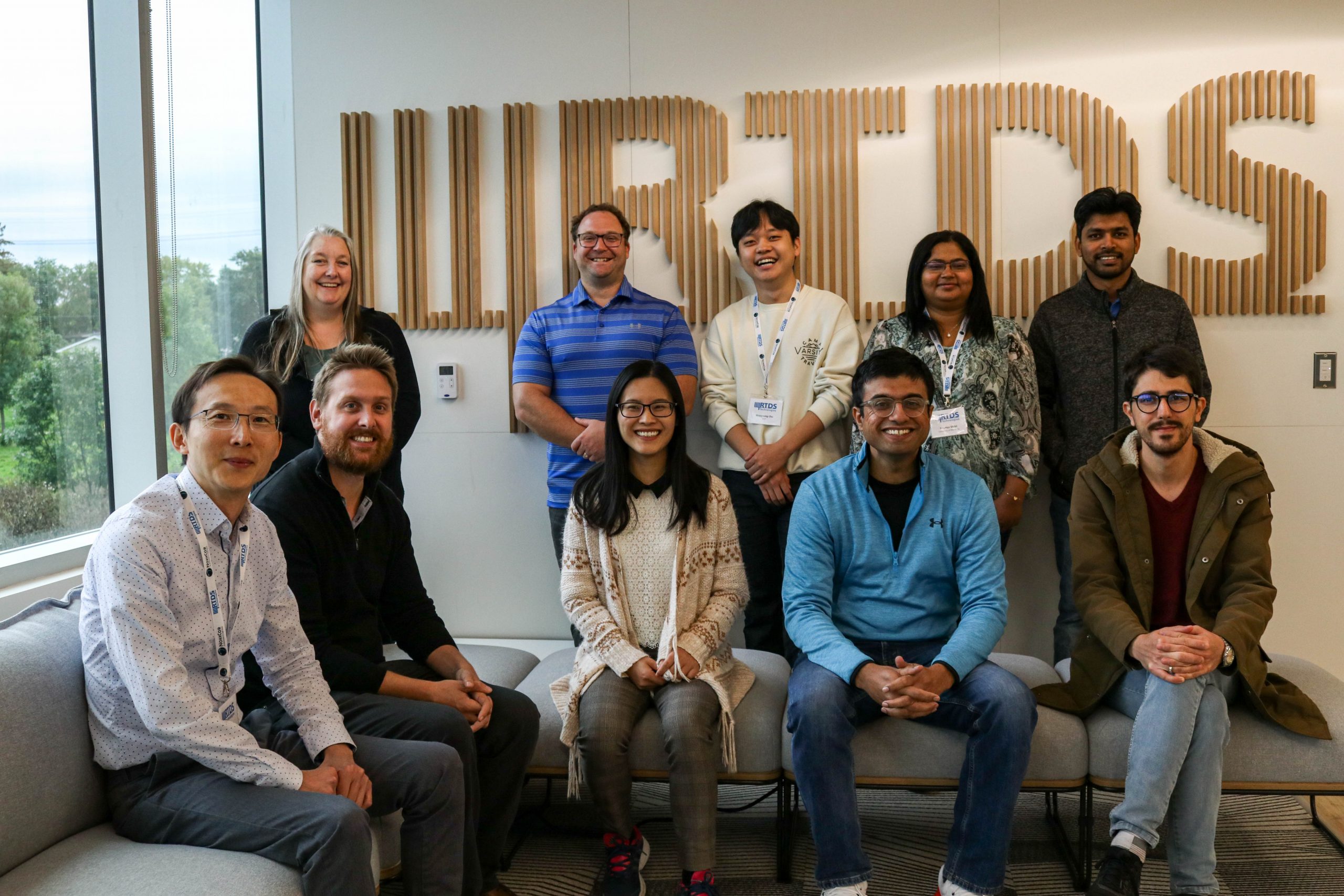
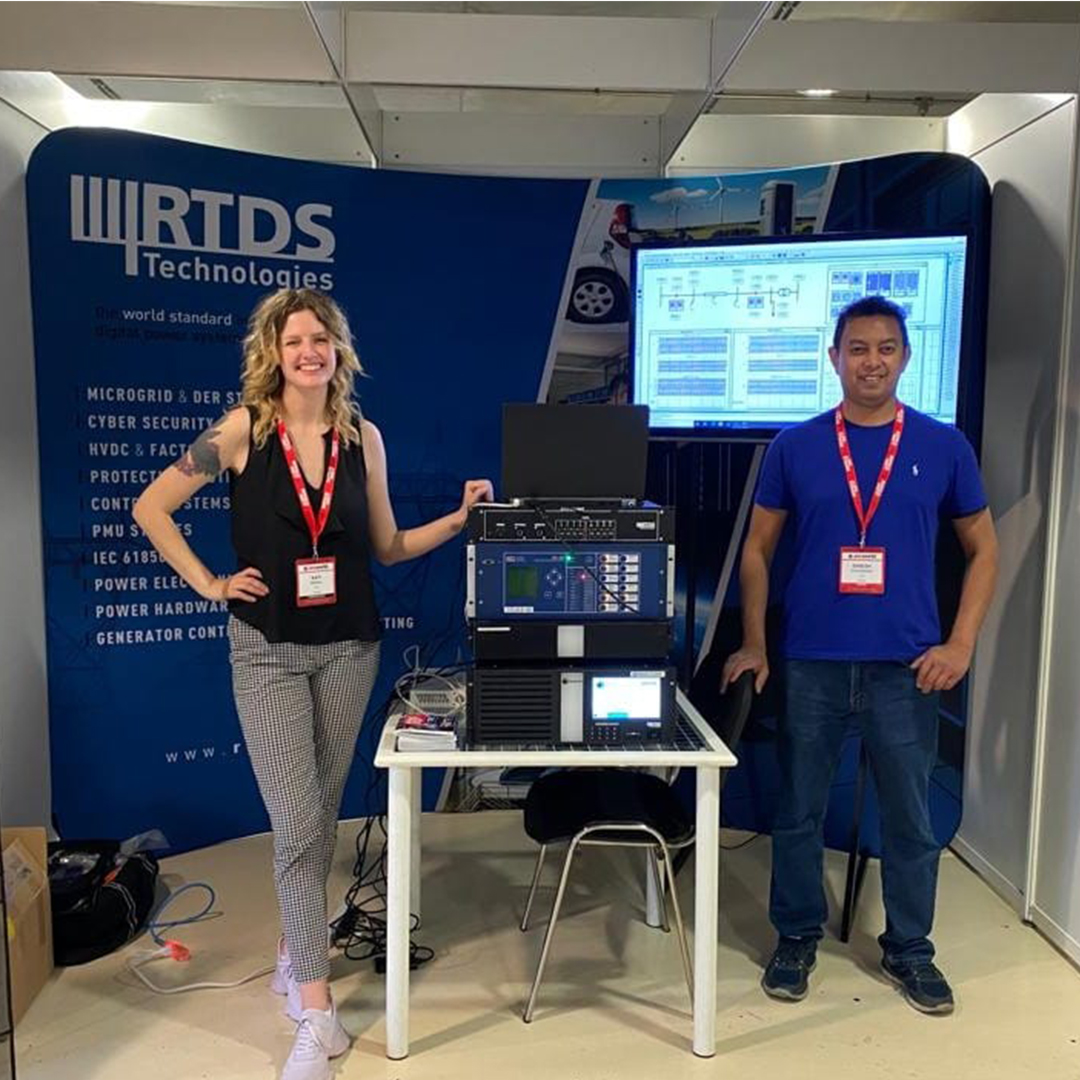
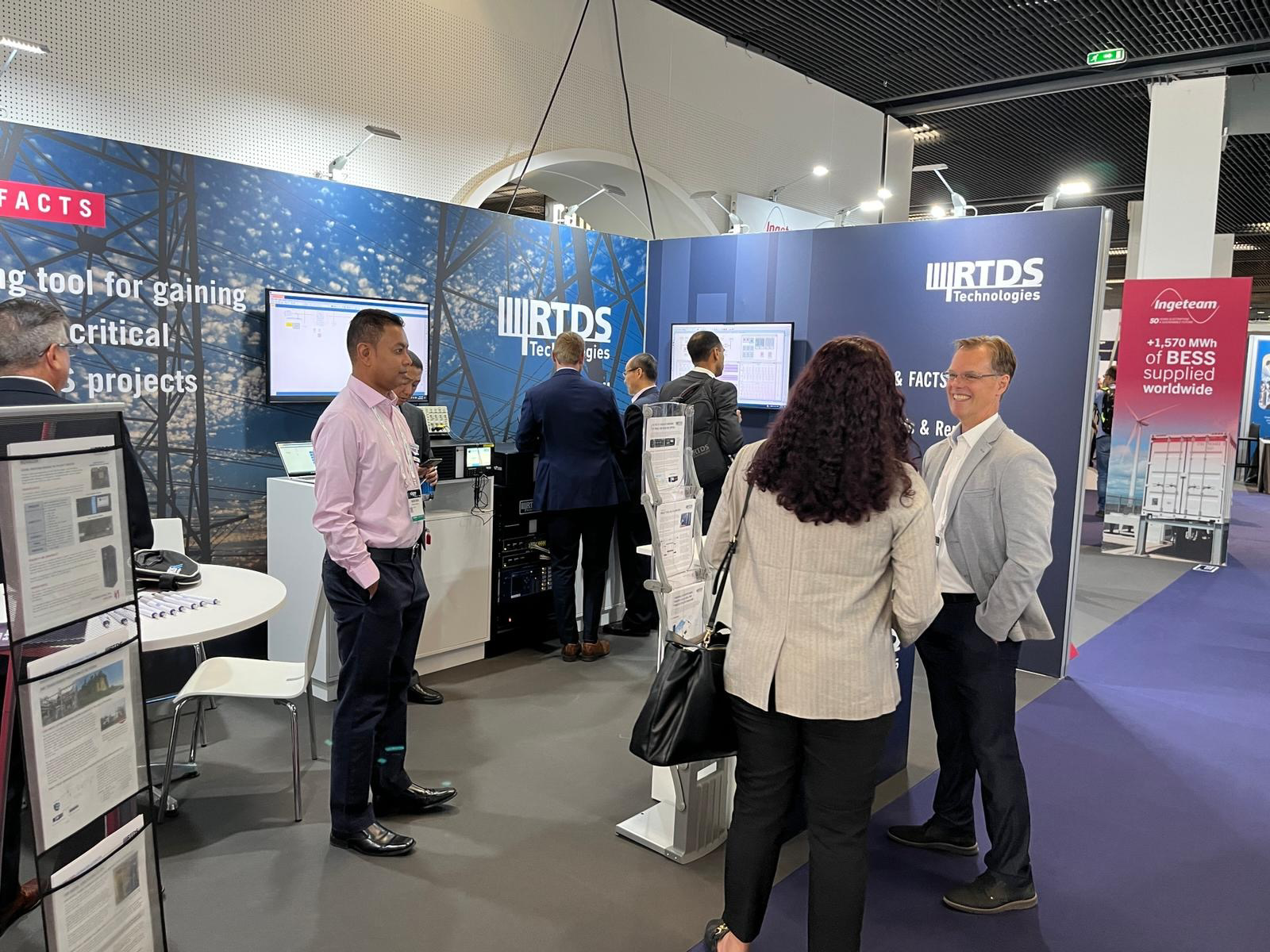
Here’s a few snapshots from 2022! This year, we returned to travel after an almost three year hiatus due to COVID-19. We enjoyed both hosting and attending events, conferences, and training sessions.
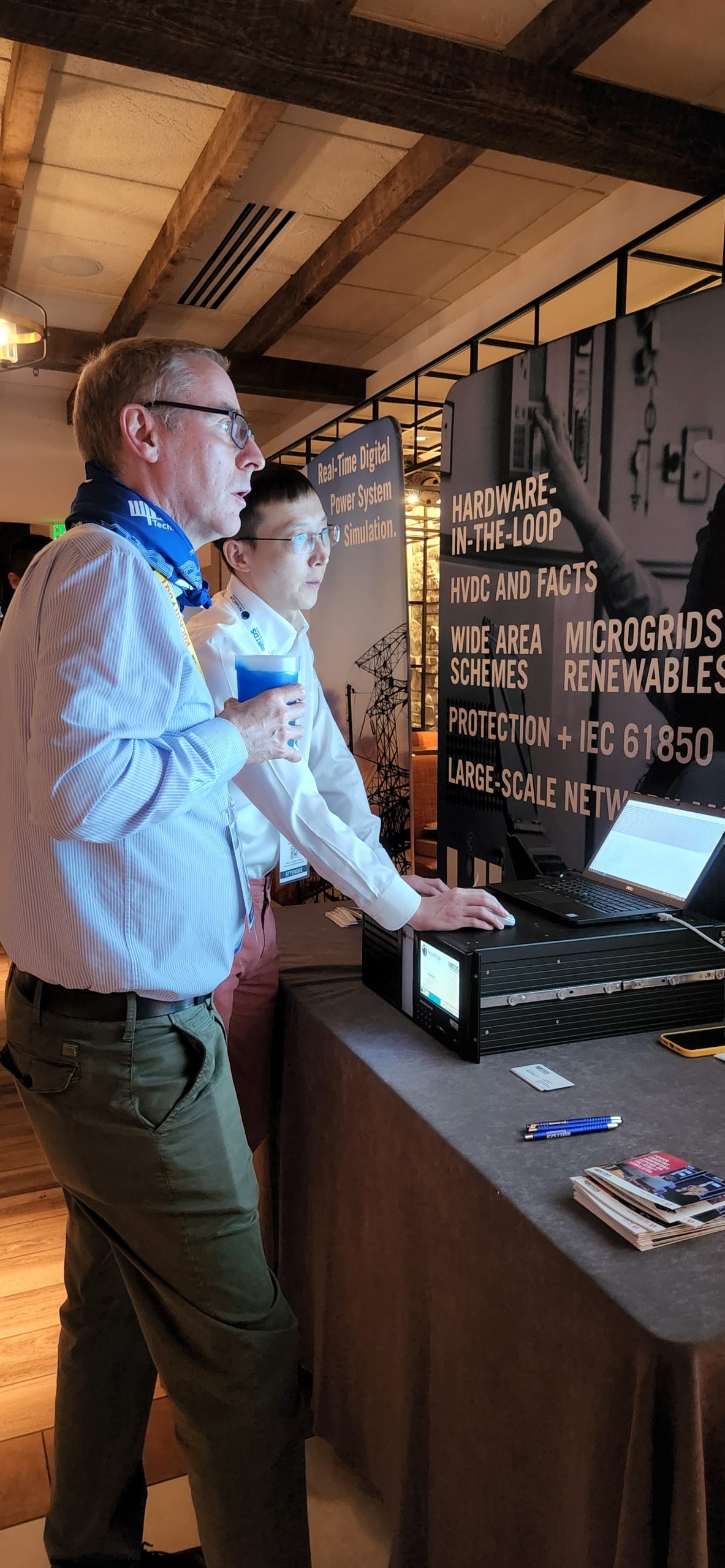 IEEE PES GM 2022 in Denver, Colorado.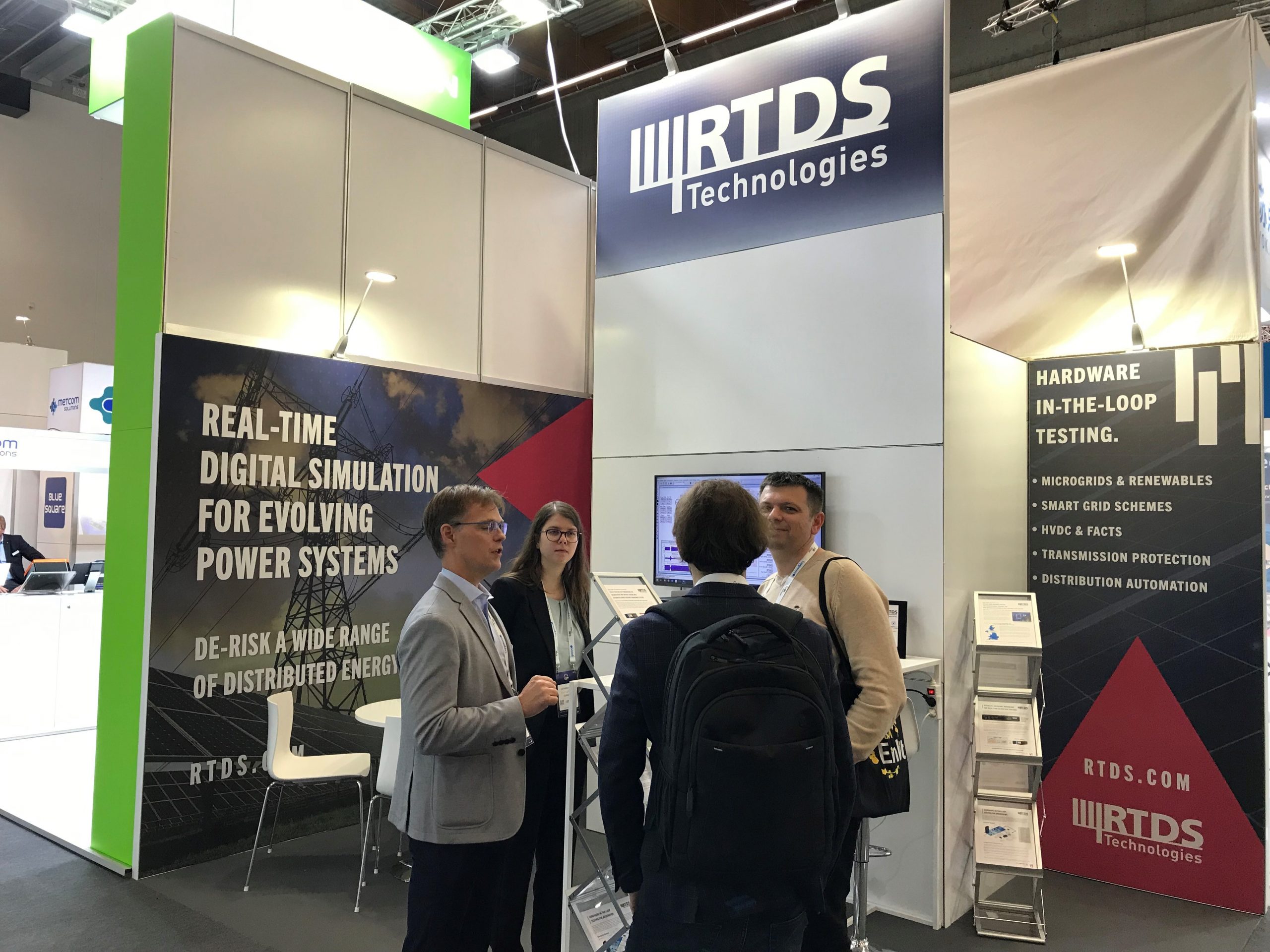

2023—A LOOK AHEAD
During 2022, we’ve seen a big increase in the RTDS Simulator’s use to support renewable energy integration. We are eager to see how some of our recent developments are applied to de-risk inverter-based resources. We anticipate that the both the Universal Converter Model (UCM) and the GTSOC will be involved in exciting new user projects moving forward.
Universal Converter Model (UCM)
The UCM allows for detailed simulation of power electronic converters in the Mainstep environment for the first time. The UCM has enabled users to test low-level firing pulse control and represent full switching detail for several converters on a single core. Running in the Substep environment (at a smaller simulation timestep), the UCM can represent switching in the 200 kHz range.
LEARN MOREGTSOC
The GTSOC enables integration of black box control vendor controls into the real-time simulation, allowing users to include the detailed, accurate behaviour of control systems in the HIL environment without having the physical hardware present in the lab. The GTSOC will be instrumental in allowing users to study the interoperability of renewable energy plants and existing power system infrastructure, such as transmission protection and HVDC systems.
LEARN MORESEE YOU IN 2023
We’re looking forward to attending many in person events in 2023 and connecting with the power system and power electronics community. Here’s a quick look at some of the events we’ll be attending, sponsoring, and exhibiting at: