
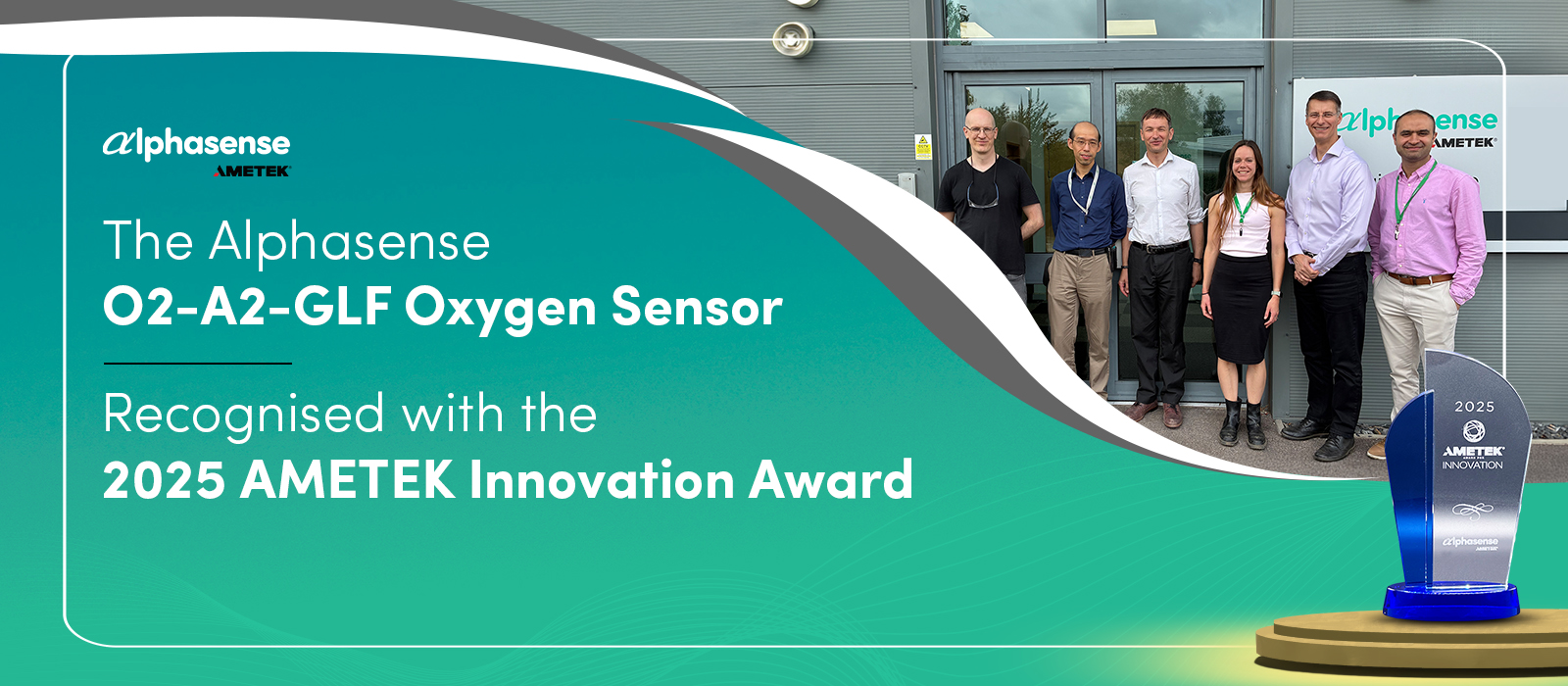
Creating Solutions for Tomorrow's Challenges: The Alphasense O2-A2-GLF Oxygen Sensor
Industrial safety technologies earn their place through reliability. Once a technology becomes widely adopted, users expect it to perform consistently and integrate seamlessly into their systems. That success can make change difficult, particularly when the technology plays a critical role in protecting people and operations.
Lead-based galvanic oxygen sensors are a good example. For decades, they have been trusted across industrial safety applications because they provide the performance, longevity, and ease of integration that gas detection manufacturers depend on. As sustainability considerations continue to influence product development, a new challenge has emerged: how can established technologies evolve without disrupting the performance and user experience that customers rely on?
The challenge is finding a way to move technology forward without creating new barriers to adoption.
When Established Technologies Reach Their Limits
Galvanic oxygen sensors have remained the preferred choice in industrial safety applications because they have consistently delivered the performance and reliability users require.
That success, however, creates a challenge. Any attempt to improve proven technology must deliver a clear advantage without compromising the characteristics that made it successful in the first place. The more established a technology becomes, the higher the bar for meaningful innovation.
Industry Priorities
Historically, oxygen sensor development has focused on performance, reliability, and operational life. These remain essential requirements, particularly in safety-critical applications where accuracy cannot be compromised.
Today, additional factors are shaping technology development. Sustainability considerations are encouraging manufacturers to examine not only how technologies perform, but also how they are designed. This has created an opportunity to revisit long-established assumptions within oxygen sensing and explore whether proven technologies can evolve to meet new priorities.
Challenging a Long-Standing Assumption
Breakthroughs are rarely defined by novelty alone. Their significance is measured by their ability to solve a meaningful industry challenge while preserving what users value most. The recognition of the O2-A2-GLF with the 2025 AMETEK Innovation Award reflects one example of this principle in practice. The recognition highlights an achievement that addresses an important sustainability challenge while advancing galvanic oxygen sensor technology.
The development of the O2-A2-GLF reflects a fundamental principle of technological progress: established technologies must continue to evolve as industry requirements change.
While the principle is straightforward, delivering meaningful change within a mature sensor technology is far more complex. Any new approach must solve the challenge at hand without sacrificing the characteristics users already trust.
Preserving What Users Trust
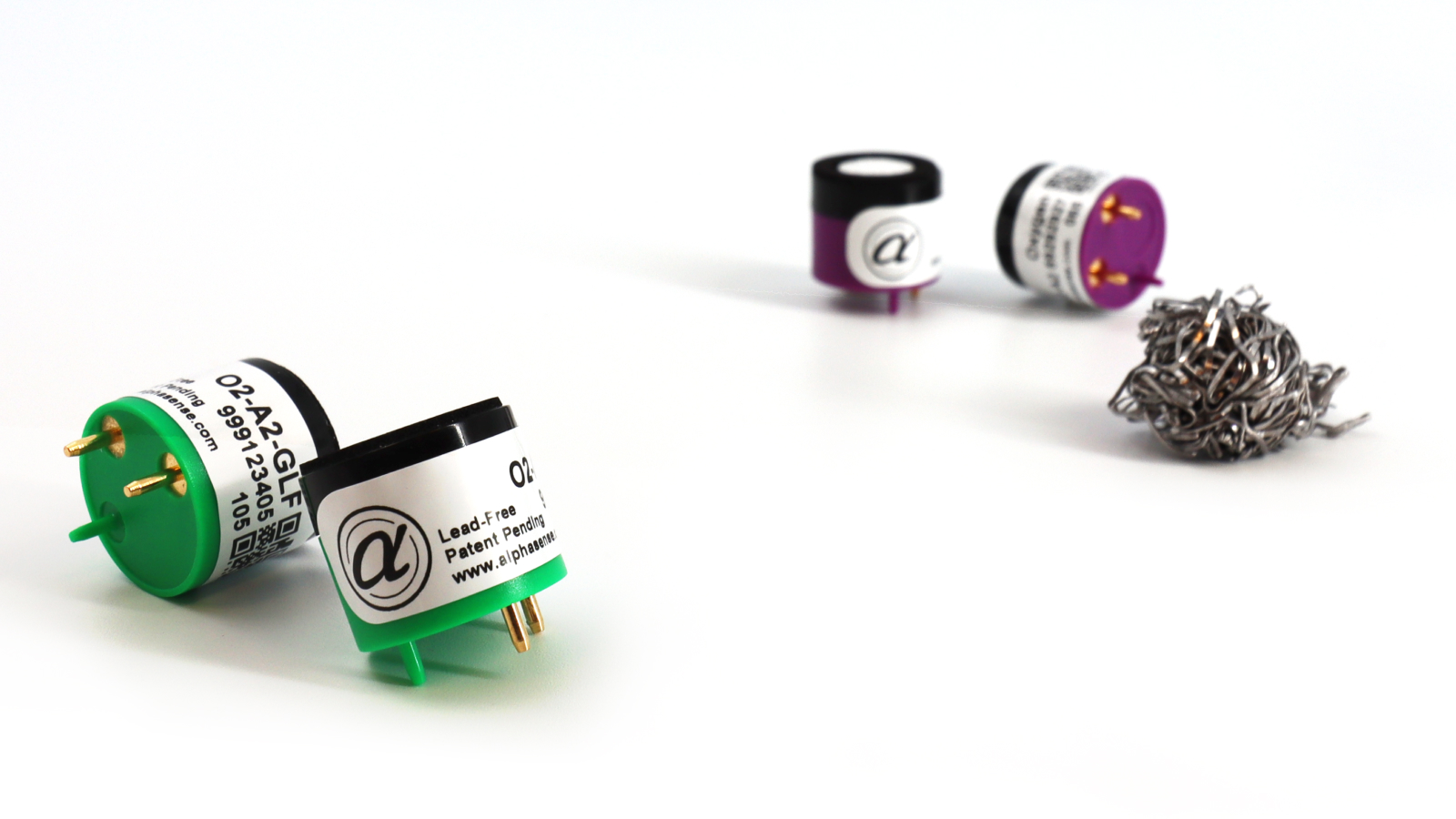
For decades, lead-based chemistry was accepted as part of galvanic oxygen sensor design. As sustainability considerations grew, the question was no longer whether oxygen sensor technology should evolve, but whether it could evolve without sacrificing the performance, reliability, and familiarity that users depended on.
The result was the O2-A2-GLF, the world's first galvanic lead-free oxygen sensor for industrial safety applications. Its development demonstrated that sustainability objectives could be addressed without changing how customers use the sensor. Manufacturers could adopt a lead-free solution while continuing to rely on the performance, reliability, and familiarity they expected from galvanic oxygen sensing.
"One of the biggest challenges in developing the O2-A2-GLF was ensuring that we addressed a long-standing sustainability issue without changing the experience customers expect from galvanic oxygen sensing. The goal was not simply to create a lead-free sensor, but to develop a practical solution that could be adopted with confidence."
- Ronan Baron, Director Technology, Alphasense
Progress Without Compromise
The development of the O2-A2-GLF demonstrates that sustainability and proven sensor performance do not have to be competing priorities. As industry expectations evolve, manufacturers increasingly need solutions that address both technical and environmental requirements.
For mature technologies, innovation is often measured by how effectively emerging challenges are addressed without disrupting established applications.
The O2-A2-GLF shows how established technologies can continue to evolve in response to changing industry needs, creating new opportunities without disrupting the practices and systems built around them.
Looking Ahead
We are grateful to AMETEK for recognising the O2-A2-GLF with the 2025 AMETEK Innovation Award. The development of the O2-A2-GLF reflects a focus on solving practical industry challenges through innovation, engineering expertise, and a deep understanding of customer requirements.
Innovation remains central to how we approach future challenges. As technologies evolve and industry priorities shift, we continue to explore how established approaches can be advanced further, including opportunities to extend performance and operational life.
At Alphasense, the value of innovation lies in the challenges it helps solve. The most meaningful advances often emerge from a deeper understanding of established technologies and the opportunities they still hold. As industry priorities continue to evolve, we remain focused on developing solutions that deliver lasting value for our customers while supporting the future needs of the markets we serve.
Follow Us for Latest Update:

